Design Systems · Design Operations · UX Leadership · Team Scaling
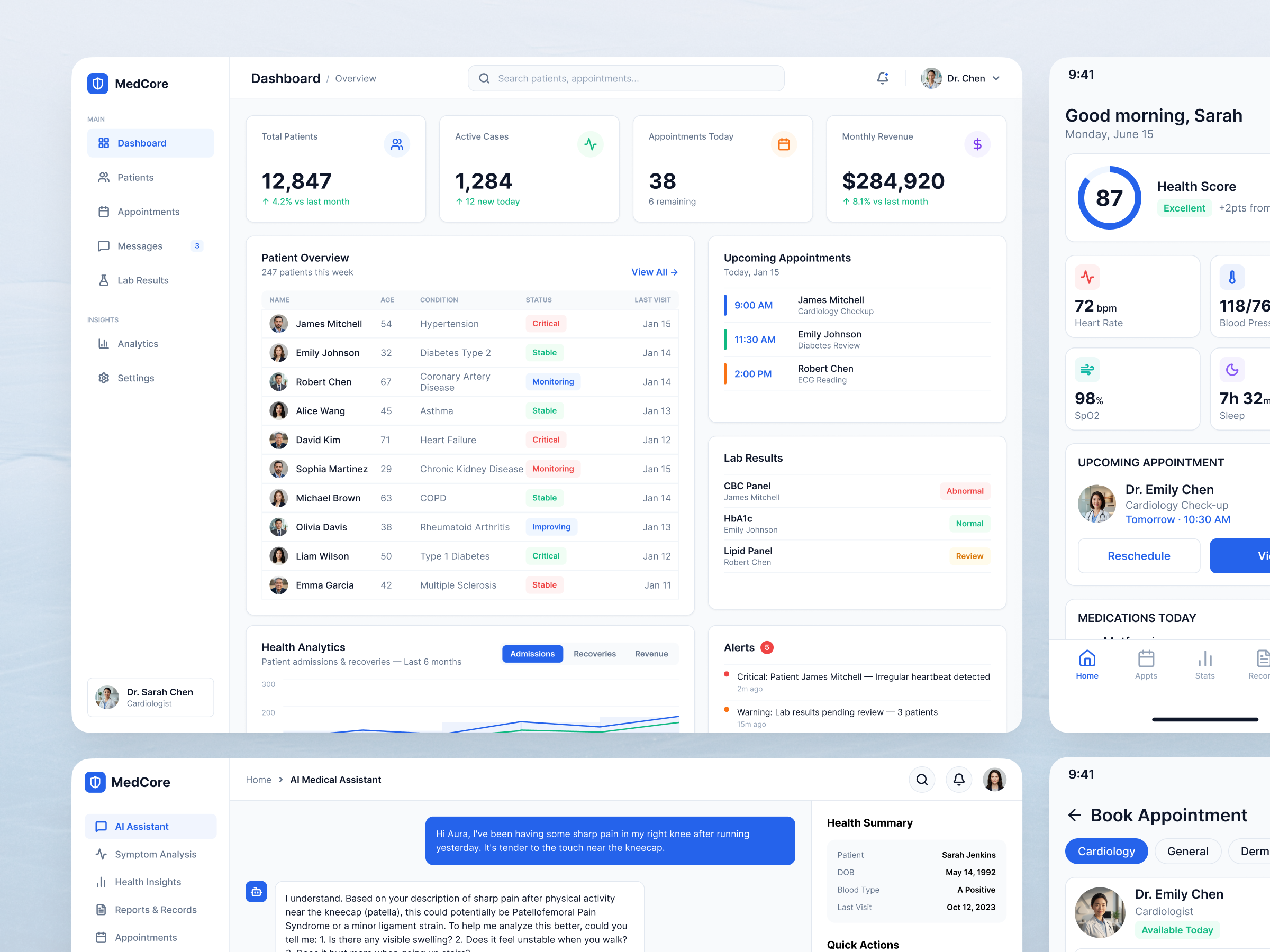
As the product ecosystem expanded, the company faced growing challenges around design consistency, team collaboration, and scalability. Multiple design files, disconnected component libraries, and undefined workflows created friction between Product, Design, and Engineering teams.
Our mission was to transform a fragmented design environment into a scalable design organization — by establishing a unified design system, standardized workflows, and clear operational processes.
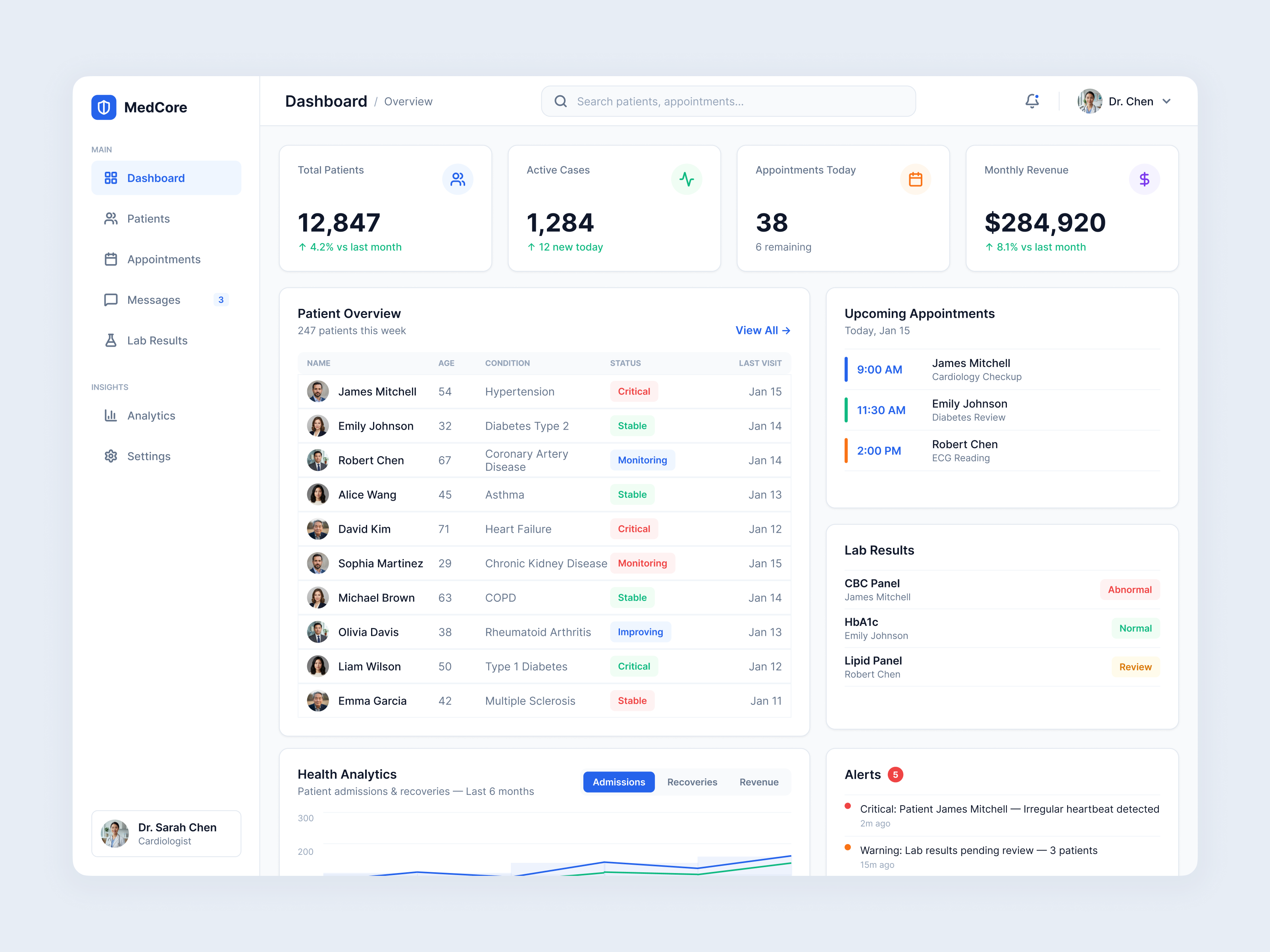
While a significant amount of design work had already been completed, the team struggled to maintain consistency across products and teams.
Key challenges included disconnected Figma libraries and duplicated components, inconsistent UI patterns across products, no shared source of truth for design decisions, missing prototyping and validation stages, and inefficient design-to-development handoff.
At the team level: undefined responsibilities, no structured sprint planning, and growing design debt. These issues resulted in slower delivery cycles, communication gaps, and increased maintenance costs.
Design System Architecture
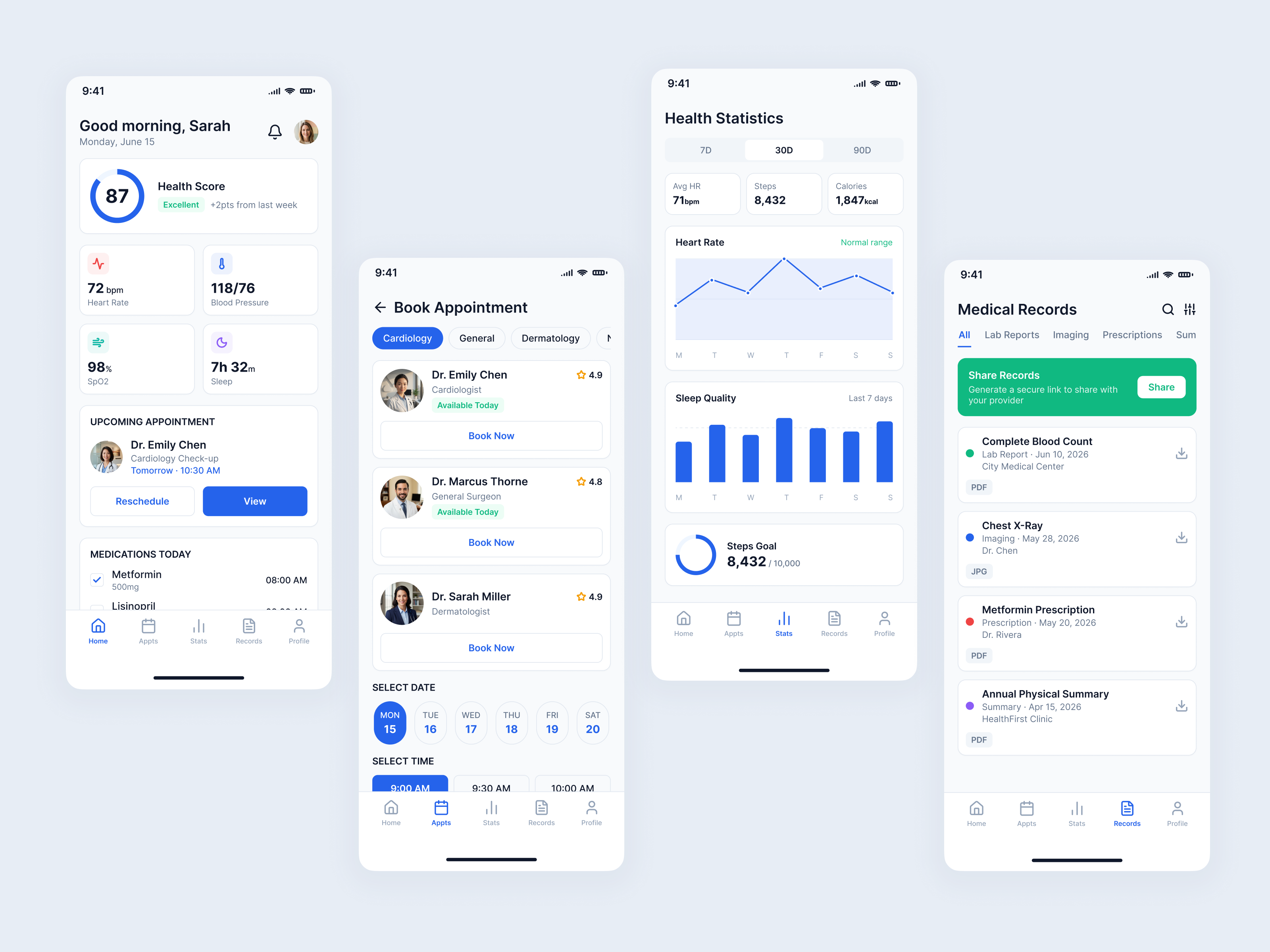
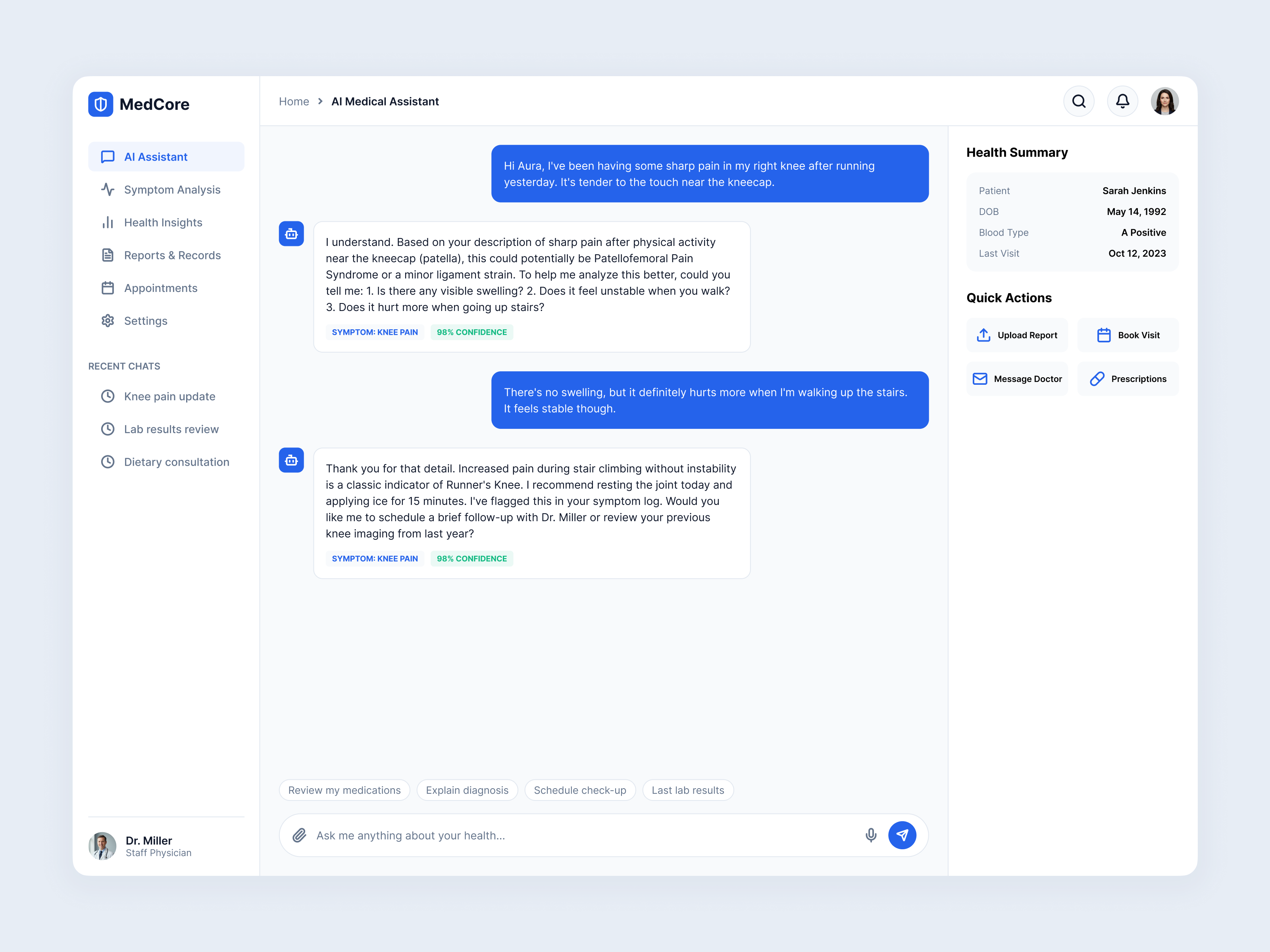
We consolidated existing design assets into a centralized design system that became the foundation for all current and future products — shared component library, design tokens, global styles, documentation standards, and reusable UI patterns.
Figma Ecosystem Standardization
We designed and implemented a unified Figma architecture: Design Language layer, Core UI Library, product-specific libraries, documentation workspace, and prototyping environment. This framework enabled teams to work faster while maintaining consistency across multiple products.
Workflow Optimization
To improve collaboration and reduce implementation ambiguity, we introduced design sprint planning, design backlog management, interactive prototyping, structured design reviews, and a clear developer handoff process. This created stronger alignment between Product Owners, Designers, and Engineers.
Team Structure & Collaboration
We worked closely with stakeholders to define team roles and responsibilities, create an ownership framework, establish design-engineering collaboration workflows, and build documentation and onboarding standards.
The transformation created a scalable design foundation that enables the organization to grow without sacrificing quality or consistency.
Key results: unified design ecosystem across multiple products, faster design-to-development workflows, reduced design debt, improved product consistency, better cross-functional collaboration, and a scalable onboarding and documentation framework.
The strongest outcome was structural: Product, Design, and Engineering now share a common language and a common foundation.
A design organization doesn't just produce outputs — it creates the conditions for consistent, scalable work.
Design System Strategy · Design Operations · UX Leadership · Team Process Design · Figma Architecture · Documentation Systems · Design Governance · Product Design Consulting
Project Team
Design Operations Lead
Vadim Zaycev
